Guides
All guides
Puppy basics
How to stop a puppy from biting (and what’s normal)
Puppy biting is normal. Redirect to a toy, pause play when teeth get hard, and protect naps. Most puppies get much better once adult teeth arrive at around four and a half to five months.
Leash walking
Leash training a puppy: first walks without the tug of war
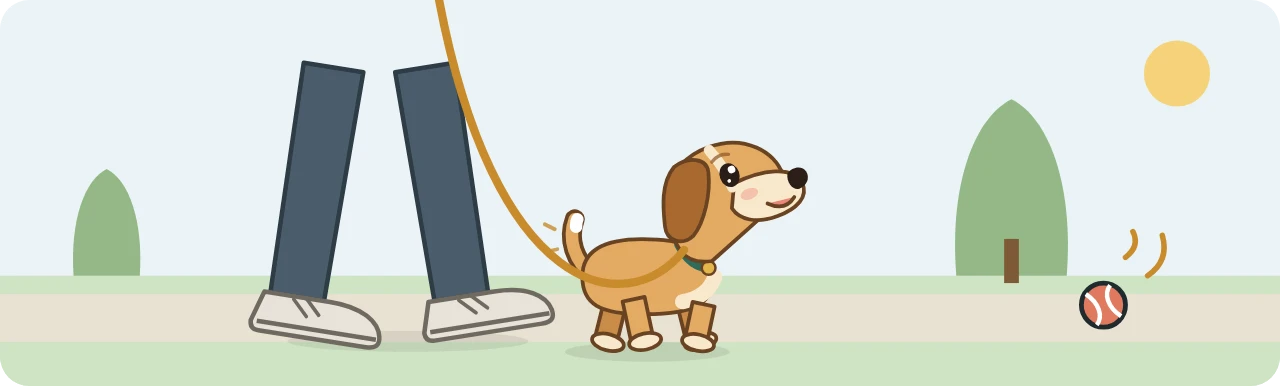
Start indoors: get your puppy used to a harness and light lead, teach a marker word, reward check-ins, then take the same game outside. When they pull, stop and wait for a loose lead.
Puppy basics Buying guide
New puppy checklist: what you actually need on day one
For day one you need a crate or pen, a washable bed, the food your puppy already eats, bowls, a harness or collar with ID, a lead, a few chews, poop bags and an enzyme cleaner.
Potty training
How to potty train a puppy: the calm, step-by-step way
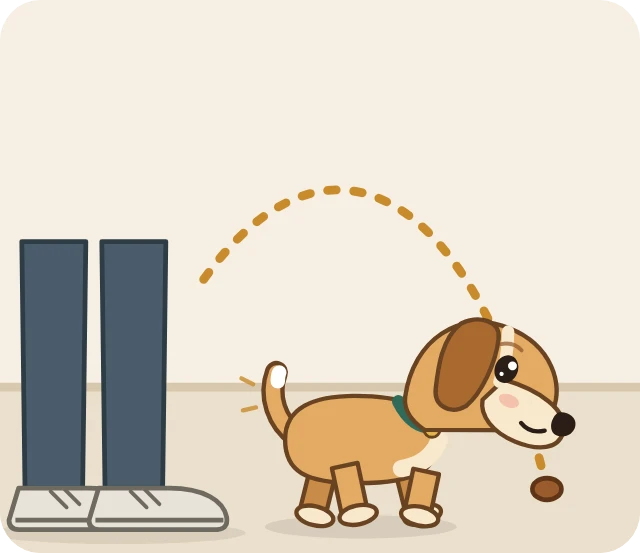
Take your puppy to one spot outside very often, reward the moment they finish, and prevent accidents indoors by supervising or confining. No punishment; use an enzyme cleaner.
Home alone Buying guide
Do you need a pet camera while teaching your dog to be home alone?
Usually not, but a camera can help while you teach time alone: it shows what happens in the first minutes after you leave. It watches; it doesn’t fix separation distress.
Dog games & enrichment Comparison
Online dog training courses compared: Brain Training for Dogs and The Online Dog Trainer
Brain Training for Dogs is a games-based course; The Online Dog Trainer is a video library with a Puppy Coach program. Choose by how you like to learn. We haven’t tested either.
Puppy basics
Your puppy’s first week at home: a calm, day-by-day plan
Keep the first week small and predictable: a steady potty routine, lots of sleep, a safe space and short, happy introductions. Book a vet visit early; the rest can wait.
Potty training
How long can a puppy hold its pee? A realistic schedule by age
A common rule of thumb is age in months plus one, in hours, as the longest stretch at rest. Puppies need to go much sooner after eating, drinking, playing or waking.
Crate & quiet time
Crate training a puppy at night: where the crate goes and what to do when they cry
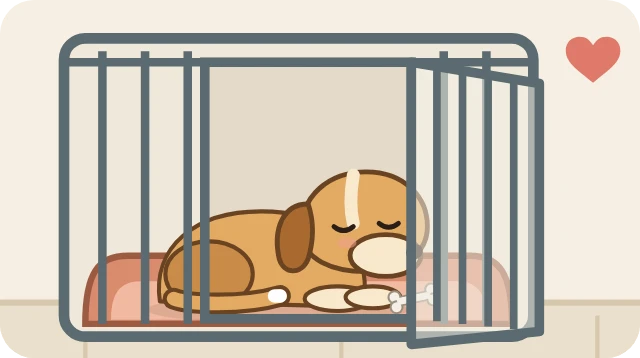
Put the crate in or next to your bedroom for the first nights, give a last potty trip before bed, keep night trips boring, and settle crying calmly instead of opening the door every time.
Home alone
How long can a dog be left home alone? And how to build up to it
The RSPCA advises leaving adult dogs no longer than four hours, depending on the dog; puppies need much shorter gaps. Build up time alone slowly, starting with seconds.
Dog games & enrichment
Brain games for dogs you can play at home today
Five easy, food-based games: Find It, a muffin tin puzzle, a snuffle mat, a hand target and a cardboard box dig. Keep sessions to 10 to 20 minutes and stop while it’s still fun.