Puppy biting is normal. Puppies explore with their mouths, and the job in the first months is to teach them that human skin needs a very soft touch, then that teeth go on toys, not people. The tools are simple: redirect to a toy, pause play when teeth get hard, and make sure your puppy isn't overtired. Shelter behaviour teams note that puppies usually get much better at this once their adult teeth come in, at around four and a half to five months.[1]
Why puppies bite so much
Mouthing is how puppies play, explore and learn how hard is too hard. With littermates, a hard bite usually ends the game. That feedback is what teaches bite inhibition, and the ASPCA describes our job as continuing it: people have sensitive skin, so the game needs gentler mouths.[2]
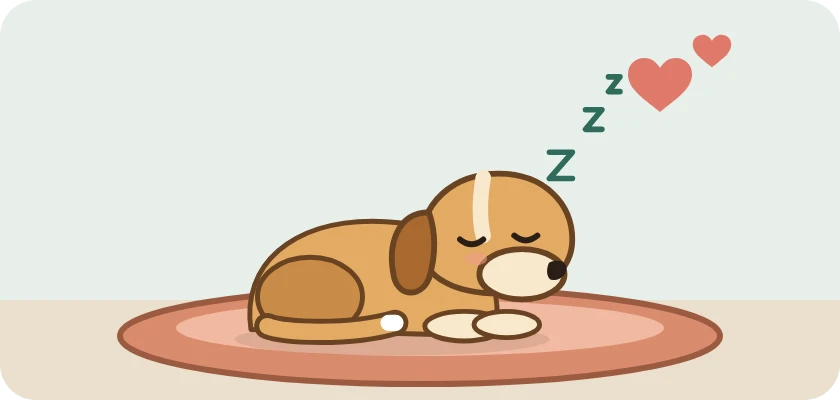
Biting can also come in waves. Here is a tip from us, not a researched fact: if biting spikes, check how long your puppy has been awake, and try a quiet nap in the crate or pen before anything else. It costs nothing to test.
What to do in the moment
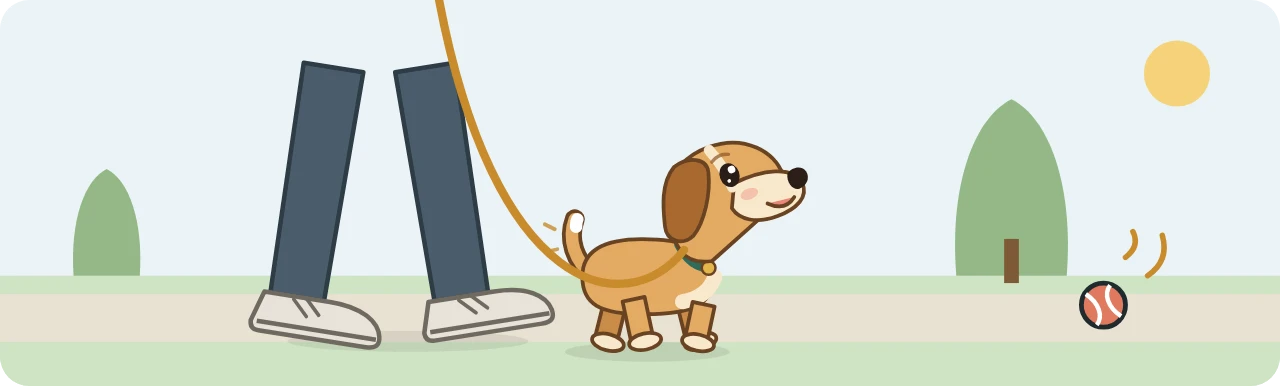
- Have a toy ready. Keep a tug toy or chew within reach in every room. When teeth land on hands, feet or clothes, offer the toy and make it more interesting than you are.[2]
- Make hard bites end the fun. If your puppy bites hard, let your hand go still and pause. The ASPCA suggests a short, high pitched yelp; a calm "ouch" is our own softer variation. Then praise and carry on when they are gentle. The ASPCA suggests a 10 to 20 second break if a calm reaction doesn't work.[2]
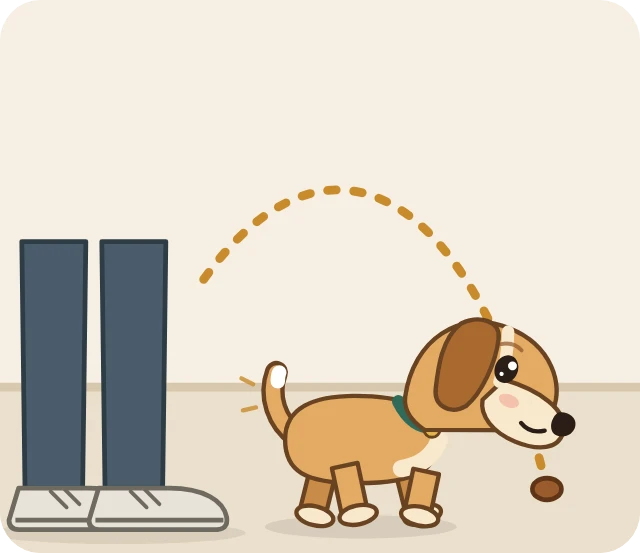
- Step away if it keeps going. A baby gate or pen lets you leave for about 20 seconds without a chase.[1]
- Raise the bar slowly. Once the hardest bites are gone, react to medium ones too, until mouthing is soft or stops.[2]
What to avoid
- Waving fingers or toes in your puppy's face, or jerking your hands away. Both turn your hands into a game.[2]
- Slapping, holding the muzzle shut, tapping the nose or shouting. Shelter guidance warns these can make aggression more likely, and they damage trust.[1]
- Long, rough hand play. Play tug and fetch with toys instead.
Set up the day so there is less biting
- Plenty of sleep. Build naps into the routine, as in our first week plan.
- Chew options. A few safe chews and toys, rotated so they stay interesting.
- Short games. Five minutes of a nose game or a hand target uses the same energy that would otherwise go into your sleeves. Our brain games for dogs post has starters.
- Supervise children and puppies together. It keeps everyone safe while the puppy is learning.[1]
When biting isn't play
Some biting needs a professional rather than more practice. The ASPCA lists warning signs such as a stiff body, bared teeth, growling, or painful bites during what looks like a tantrum.[2] If you see these, or your puppy seems frightened, talk to your vet first, then a qualified behaviour professional.
If you want more structure
Many owners do fine with the steps above. If you like having games in a set order, a structured, reward-based course can help you stay consistent. One option is listed below. We haven't tested it ourselves; the description comes from the vendor.
Questions people ask
At what age do puppies stop biting?
Shelter behaviour teams note that puppies usually learn bite inhibition by about four and a half to five months, when adult teeth come in. Consistent redirection helps.
Should I tap my puppy on the nose when it bites?
No. Slapping, tapping the nose or holding the muzzle can make aggression more likely. Redirect to a toy or pause play instead.
Sources
- Puppy play biting and mouthing, San Francisco SPCA
- Mouthing, Nipping and Biting in Puppies, ASPCA